
“What’s your problem?”

Turning complex social challenges into solvable behaviors
One of my oldest friends called early Saturday morning: “Are you up?”
“I’ve been up. What’s going on?”
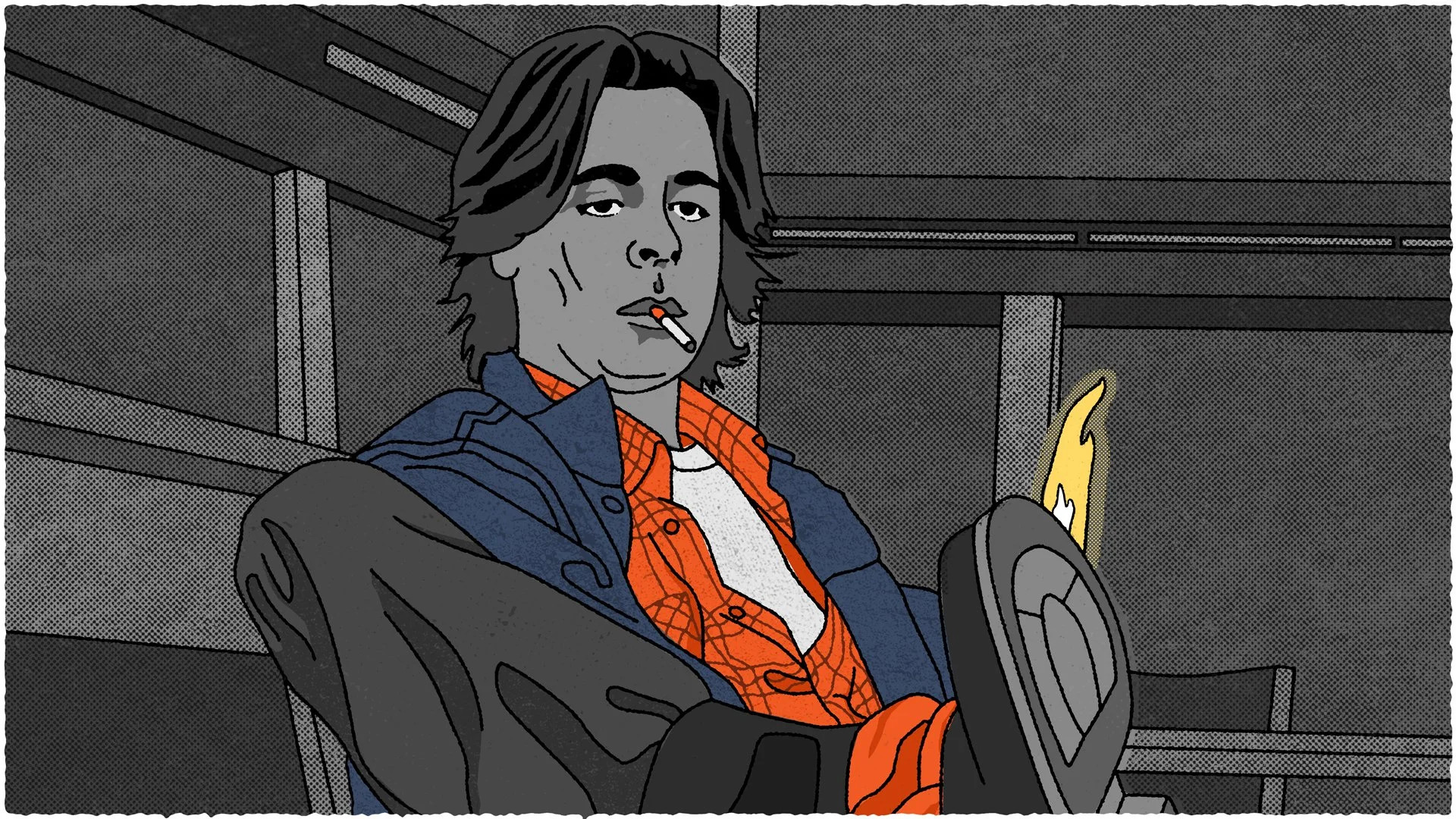
“I’ve just dropped your goddaughter off at detention for using AI on a paper. I’m reliving The Breakfast Club.”
That dose of nostalgia got me thinking about my own high school days, transgressions and punishments. I went to a large high school in the late 80s, and like the movies of that era, there were distinct cliques: jocks, preps, brains, rednecks and band kids. As for transgressions, mine were relatively innocuous and forgettable, but one punishment stands out.
No driving privileges for a week.
That wasn’t such a big deal until one day I forgot to arrange a ride home. That meant taking the bus. The kids on the bus were a tough crowd, and the likelihood of catching some grief was high. My strategy was simple: find the first open seat and bury my nose in a book. In no time, I heard a question for which there’s no good answer.
“What’s your problem?”
I sat silently for a long moment, until it came again, louder.
“What’s your problem?”
I stayed silent. To my rescue, a girl from the back of the bus yelled: “Stop it! Can’t you see he’s an exchange student?”
With relief, I sat like a monk until my stop.
While there’s no good answer to “What’s your problem?” on the bus, in business, there needs to be. Nonprofits have no trouble naming problems; they exist because of them. Whatever your issue, it’s not solvable in the near term, or you wouldn’t have a job. And hopefully, you’re making real progress. The key to speeding up that progress is naming the right problems, ones that marketing and communications can solve. When the problem is defined correctly, behavioral science can bring about behavioral change. That’s because most social challenges ultimately come down to human decisions: whether someone schedules a screening, volunteers their time, changes a habit, or reconsiders a belief.
Here are 10 examples my colleagues and I have tackled:
Overcoming barriers to contraceptive access among rural and low-income women
Addressing misinformation and disinformation about ABA therapy among parents of newly diagnosed autistic children
Improving low- and moderate-income parents’ access to more affordable and accessible high-quality childcare
Increasing the number of families fostering teenagers
Challenging misperceptions and combating voter suppression among Americans with disabilities
Reducing shame and stigma about accessing mental health services to increase the number of people seeking treatment for chronic and severe conditions
Encouraging more twenty-somethings to volunteer as Big Brothers
Increasing prostate cancer screenings among Black men
Reducing distracted driving by promoting smartphone driving-focus settings
Engaging moderate gun owners in support of universal background checks
You’ll note these problems are very specific. Things like raising awareness or changing perceptions are difficult to influence because they lack a clear behavior to shift. But when a problem is specific, the psychological barriers to change become visible. Then we can identify what people fear, misunderstand, or avoid and design communications that address it.
Being quiet might have worked on the bus, but it’s no help when your work addresses critical issues. I see too many organizations waiting on the perfect solution or perpetuating less-effective approaches because what’s familiar is the default reaction. The stakes are too high, especially now. So, ask the question nicely and move forward with intent.
Toward solutions,
Kevin
P.S. I’m always curious about the challenges nonprofit and foundation leaders are seeing right now. If there’s a problem your organization is struggling to solve or even clearly define, send it my way. A sentence or two is plenty. If I start seeing a common theme, I may host a short webinar to sort through possible approaches together.
