
Curb Appeal for Causes

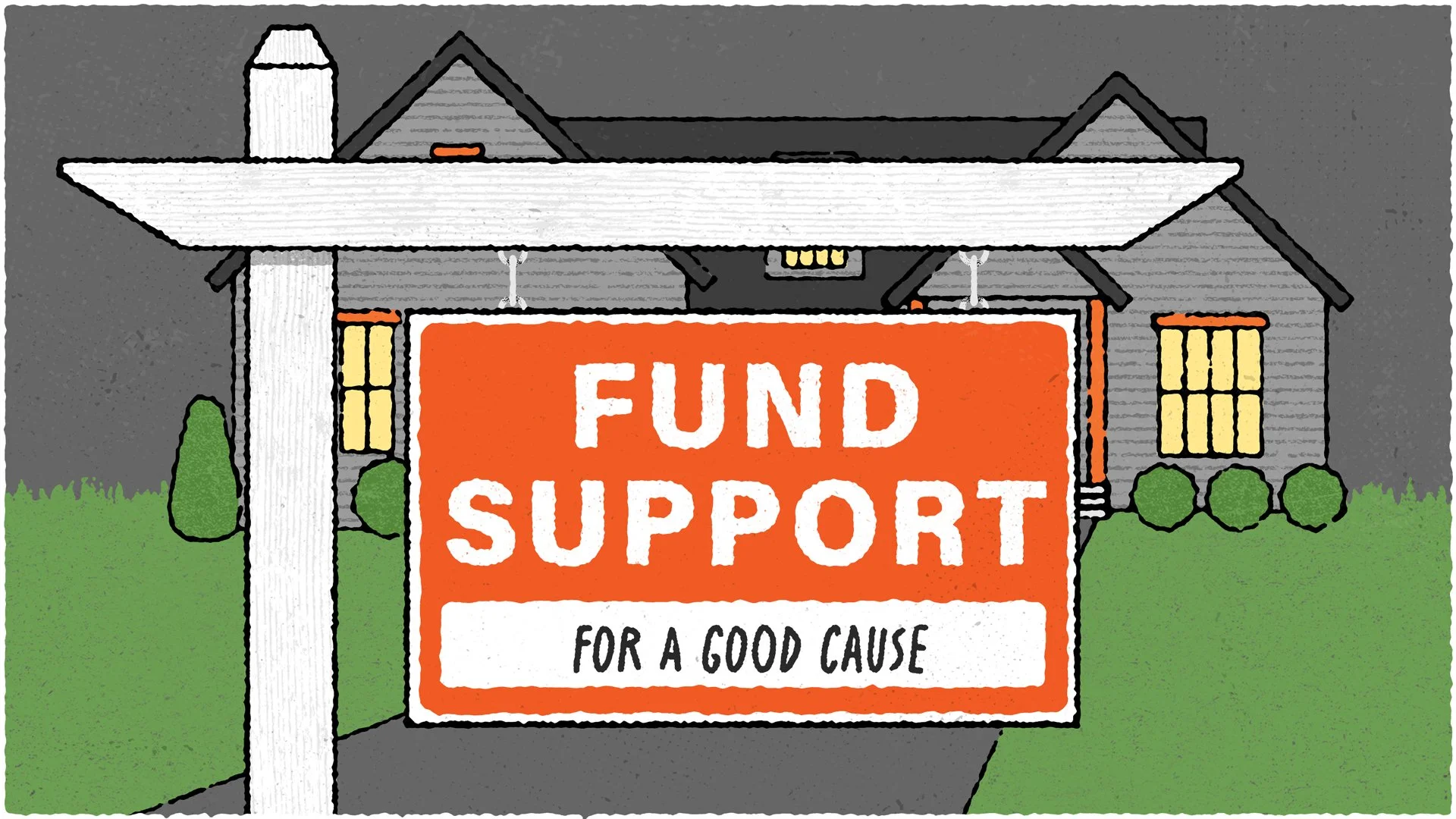
How clarity, consistency and psychology influence funding.
Maintenance is my hobby. It’s taken over nearly all my free time. For the house, it’s cleaning, pressure washing, window washing, painting and clearing gutters. The yard’s list is even more ambitious. While some people just mow the grass occasionally, I subscribe to a fertilizer regimen befitting a golf course. The appraiser involved in my recession-era refinancing described my yard as “heavily landscaped,” and I found that gratifying.
There’s nothing better than having everything ship-shape – until the dog tracks in mulch or there’s a thunderstorm that litters debris across the lawn. I suppose that’s why so many people have a laissez-faire attitude about upkeep. And that’s a far saner approach to life, until you want to sell your house, host a party, or, in my case, just want to admire the fruits of your labor.
Most cause organizations I see fall into this camp in two ways:
They are laissez-faire about maintaining their appearance (communications)
It’s time for them to sell (attract donors and grants)
I believe that this inattention to communications stems from a place of good intentions. There’s not necessarily time to be house proud when your work is critical, sometimes even lifesaving. I’ve served on enough boards where “branding” and “low awareness” come up regularly, but wishing for these things never seems to be accompanied by resources. Like deferred maintenance, the needs compound over time.
I haven’t seen times this difficult for nonprofits and foundations since 2008. Clarity has never been more critical. If you can’t share a few sentences about your work that are both resonant and emotionally compelling, you’re not in a good place. This is critical for both fundraising and grant writing. Unfortunately, it’s time to sell and so many organizations lack curb appeal.
Now, let’s examine what to do about it. And let’s do that not from your vantage point, but from the behavioral science impacting your donors or grantors.
Cognitive Ease
People trust what is easy to understand. Throw in heightened uncertainty, and folks are less likely than ever to work to understand nuance and complex ecosystems of need. That means you need concise, structured messaging devoid of issue-driven jargon.
Loss Aversion
Your appeal is hitting at a time when people are more sensitive to potential loss than equivalent gains. Therefore, they are wary of giving to ineffective programs or to issues that might be controversial. This makes your longevity, track record and data paramount. But again, keep it brief. Overexplaining is counter to cognitive ease.
Identity Alignment
We’re all feeling exasperated by polarization. On a bad day, we can come across defensive. From our perspective, the world has become bifurcated, but most people crave a reasonable middle ground. You need to be both a problem solver and a financial steward. That means cool heads above the fray. Don’t appear reactive or defensive. (A few issues can leverage a fight back approach: identity issues such as immigration or moral absolutes like climate change. But these are exceptions.)
Agency
We all crave influence over the world around us, especially when we’re trying to do good. That desire is amplified in uncertain times. This means sharing clear outcomes and demonstrating tangible impacts are key. Nonprofits tend to focus on the problem they are solving, and the more dire, tragic or dramatic the better. This is a mistake.
The thing about maintenance is that it’s never perfect. Crabgrass happens. More leaves fall after you rake the yard. Nevertheless, there can be joy in the effort to make things better. Curb appeal may not guarantee the sale, but it does make you want to see what’s behind the front door.
Stay ready,
Kevin
