
Stronger Through Adversity

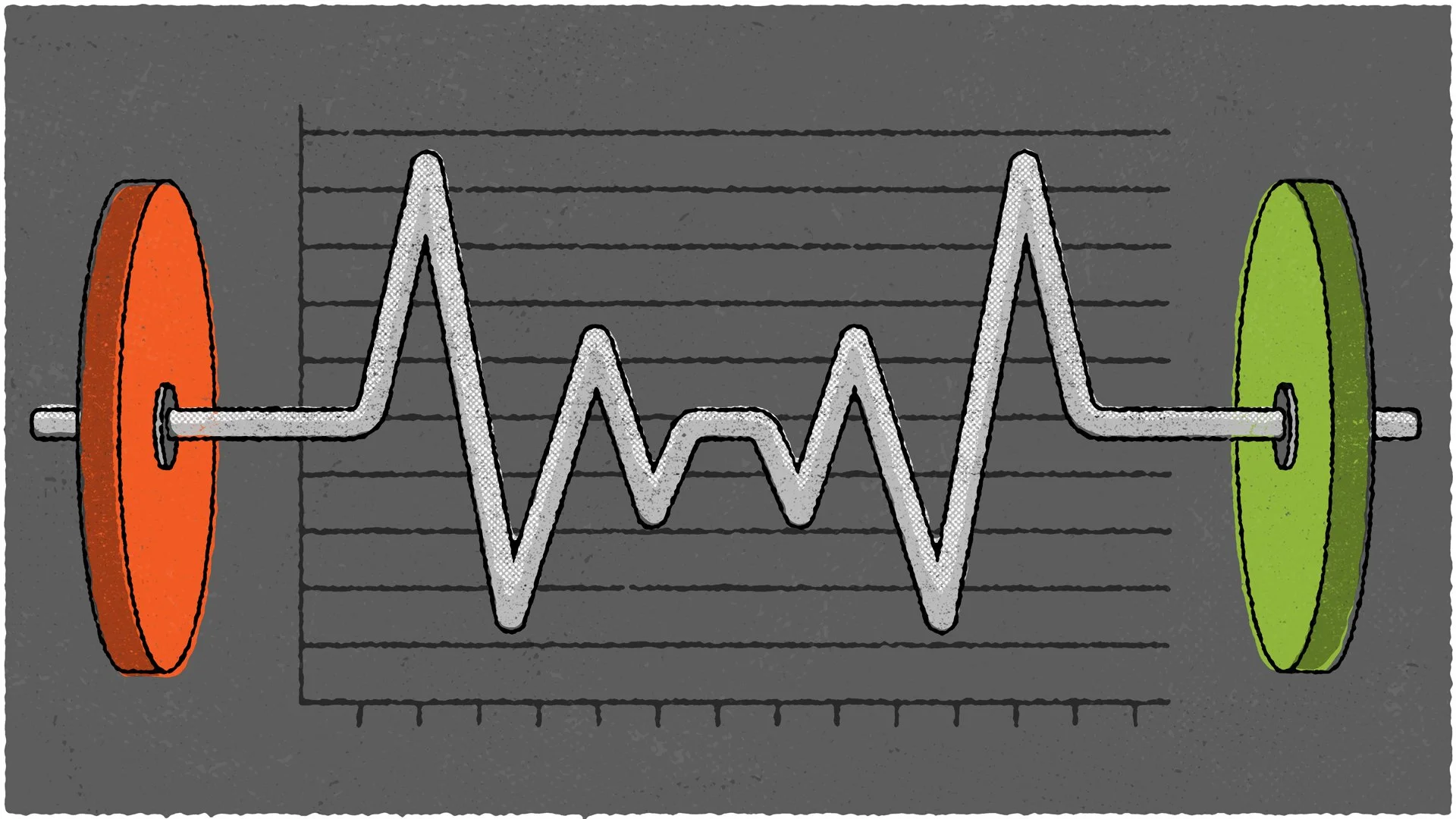
How constraint, clarity and consistency can build stronger organizations.
New York is a moody city, and by that I don’t mean perpetually grumpy. The mood swings are largely driven by the economy and can last for years. When things are up, there’s an extra rush of energy and you feel part of the momentum. And then comes some disturbance, a recession or act of war, leaving you riddled with anxiety about your future. World events have an outsized impact and feel close to home.
Living there through both extremes, I came to notice how people respond to them. In exuberant times, optimism can lead to excess. During more difficult times, there’s a tendency to recede and look inward. The bent is to hold onto what steadies you.
That’s the way things feel now, not just in New York City, but everywhere. The mood swings have become more palpable and intense. For many of the causes we support, confidence, security and optimism are memories. Yet, even in adversity, there is opportunity. Foundations and nonprofits can use this time to strengthen their work, their reputation and their fortitude. Let me share how I came to this view.
Moving art to accommodate work on my house, I realized that I could group my artwork into two camps, celebration and refuge. The celebration pieces marked promotions, client wins or things like a friend’s gallery opening. These paintings were all by other artists. The refuge pieces, however, were my own, painted during turbulent times. This split is not just the outcome of not buying art when times are tough; it’s the unintentional discovery that my most meaningful work was the product of uncertainty.
How to get stronger
Scarcity, or the prospect of it, causes not only stress but also prioritization. The psychology is called cognitive narrowing. The intense focus it creates can cause us to neglect context, but when channeled correctly, it can lead to specific, practical solutions.
For foundations, this might mean tightening funding criteria and reducing ambiguity for grantees. Meanwhile, nonprofits might narrow messaging to focus on core programs or their highest priority issues. Constraints can improve the quality of your decisions.
How to build on your reputation
Reputations are built when uncertainty is high. The more volatile your environment, the more people scan for signs they can trust. Behavioral scientists call this signal detection theory.
For nonprofits, that means clarity and consistency in all communications. This is no time for websites that aren’t in sync with grant proposals and donor appeals. Foundations need equally clear funding priorities and transparent processes. This also means keeping all content accessible. Now is not the time for academic, issue-specific euphemisms.
How to increase fortitude
When setbacks continue, we tend to retreat by delaying decisions and lowering expectations. Fortitude interrupts this tendency, maintaining momentum by acting with purpose. This allows us to continue to further our causes, even if progress is incremental.
There has never been a greater need for steadfast foundations that continue funding, communications and supporting partners. Nonprofits can build fortitude by focusing on what they can control: messaging, outreach and relationships. Even small, consistent actions build confidence over time.
Most artists are more critical of their own work than that of others. That makes hanging one of my paintings where I see it every day a big step. Many were painted quickly to eliminate hesitation and perfectionism. And there are also the pieces painted by friends and painters I admire, the celebratory ones. They are a good reminder that things always change, and that there will be things to celebrate again.
We are in the business of good, and good intentions will prevail.
Sincerely,
Kevin
