
Stop telling people what to do.

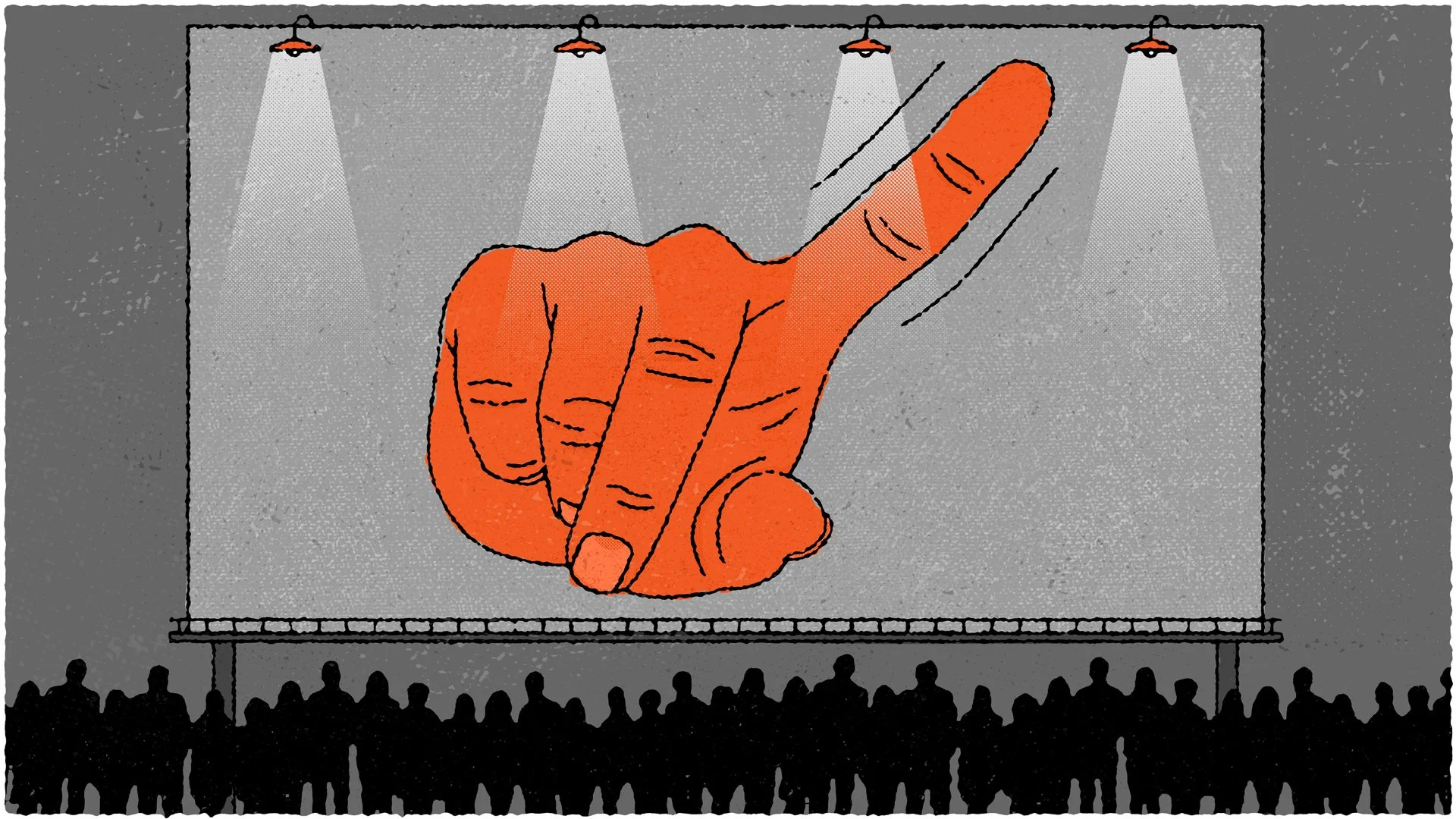
If we want people to change, we must be willing to change the way we ask.
I wouldn’t have made it in corporate America. While I emulate the discipline, steadiness and structure, it just wouldn’t have been the right fit for me. What drew me to social impact communications was the constant carousel of issues: the endless learning about how things got to be the way they are, and the constant thinking about how best to help remedy them.
The path into difficult, dangerous or unjust circumstances is almost always complicated, and the solutions are rarely simple. But one principle has become clear at our firm: if we want people to change, our job is not to command them, shame them or overwhelm them with insider language. It’s to communicate in a way that offers them agency, options and access.
One project in particular codified this for me.
Don’t tell them what to do.
One of the most successful campaigns I’ve ever led has provided contraceptive counseling to more than 633,000 women in South Carolina, contributing to a 58 percent decrease in unintended pregnancies. The secret to that success was the opposite of persuasion, pressure and fear. We educated people about their options, helped them overcome barriers to access and gave them choices not only in contraceptive methods, but also in how to receive care, either online or in person.



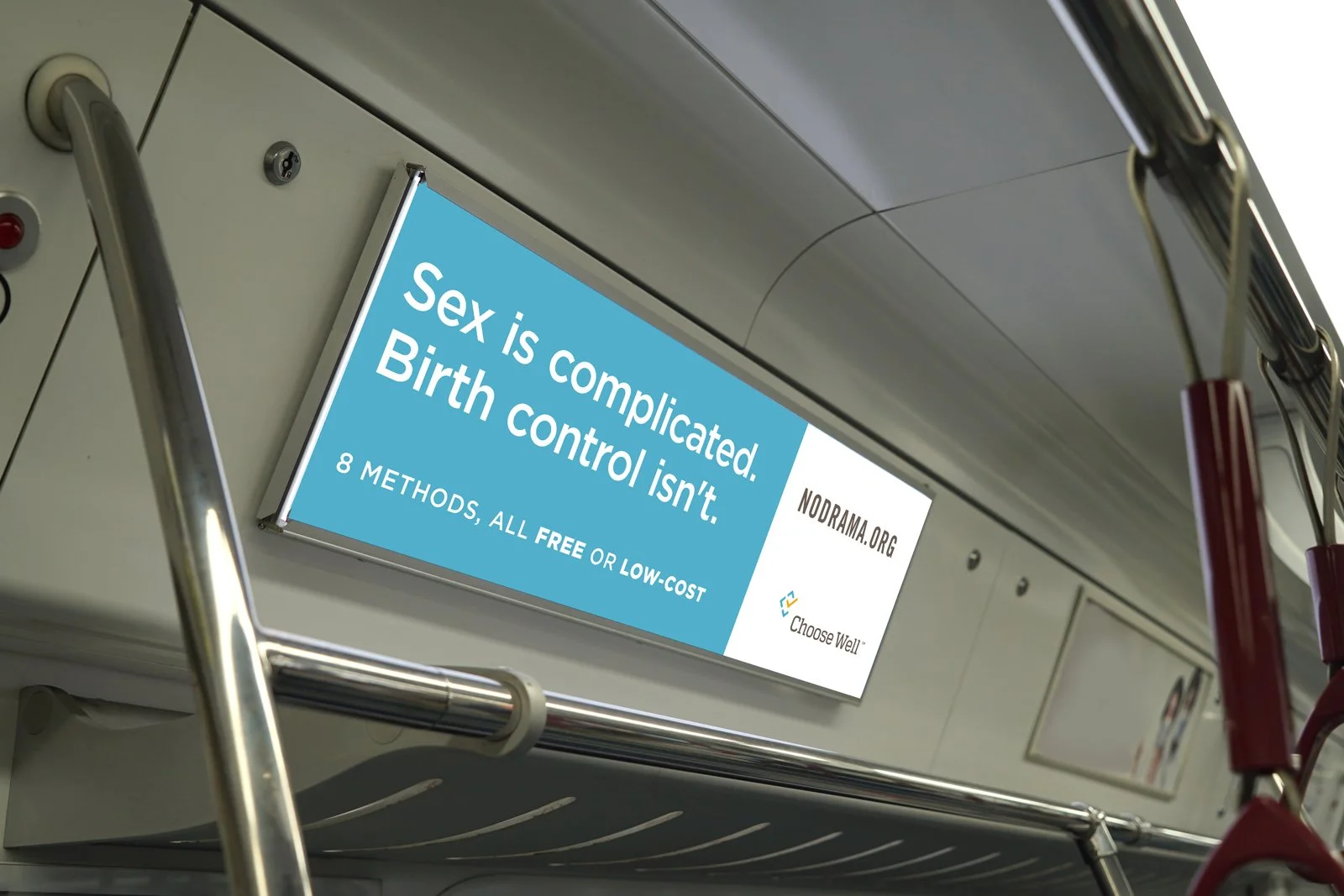
I’m confident the program has changed lives. It has certainly changed mine. At first, I was skeptical about our ability to generate demand for scheduled medical appointments, particularly in under resourced and underserved communities. Then I saw what happens when people are given good information, equitable access and clear options. They make good choices.
That lesson has guided For Goodness Sakes’ approach to behavioral change communications ever since. That’s why it brings me equal parts anger and heartache when I see fear-based communications about “consequences,” campaigns grounded in shame or messaging that either talks down to the audience or speaks to them using nonprofit or public health jargon. These messages don’t help people; they admonish them by telling them what to do or not do. They fail because they make people feel judged, threatened and incapable of taking the first action toward change.
What’s even more frustrating is how often I encounter them. I regularly pass a billboard that says: “Don’t let substance misuse disorder be the end of your story.” People with drug and alcohol problems don’t identify with this language. Recovery providers and nonprofits do. It identifies the person by the worst possible outcome, threatening the audience instead of instilling agency. Worst of all, a well-meaning organization spent money to advance a counterproductive narrative.
Sadly, this is just one example in a sea of work accomplishing the opposite of what it intends.
In our effort to be respectful, our sector learned to be careful with language because we did not want to offend, exclude or label. “Domestic violence” became “intimate partner violence.” “Substance misuse” is favored over “alcoholism” or “drug problem.” The intention is kind, and within our field, it’s both more accurate and descriptive. But in consumer-facing messages, it can also become unclear, impersonal and less effective.
Another problem is that we underestimate how instinctively people tune out risk, negativity, threats, and perhaps most of all, shame. I’d bet a sizable share of cause leaders have read or listened to Brené Brown. So why aren’t we more attuned to shame and other human impulses that make people look away from content that could otherwise help them?
2025 was a year of shock. This year, and the next few ahead, need to be about reinvention. Too much messaging still clings to the outdated belief that shock, fear or awareness alone will solve tough problems. It will not. It’s time we embrace some behavioral change of our own: replace commands with choices, jargon with plain language and fear with agency. If we want people to change, we must be willing to change the way we ask.
To new directions,
Kevin
