
We Have More in Common
How listening reveals common ground in divided times.
When a teacher asked me if I was an only child, I took it as no compliment. In my case, the answer was yes. And the assumptions that came with acquiring that moniker stung. The implication was that you were accustomed to being the center of attention.
That wasn’t entirely true in my case. The reality was that I spent more time by myself or around adults than my sibling-privileged peers did. That meant more time observing how other people behaved, both in person and on television. I became a student of how people made the choices they did, or why they favored certain people or products. Ten-year-old me didn’t know what an ethnography was, but that’s exactly what sitcoms and my parents' cocktail parties became.
All these years later, my job is to remain an observer, segmenting audiences and creating personas. And like many of you, I’ve seen these audiences increasingly diverge into pro and anti, believers and skeptics. The divisiveness has been disheartening.
My research takes many forms and methodologies, but it has been a little while since I facilitated focus groups. I tend to hire facilitators, but hosting the conversations myself offers a different, more inclusive perspective. I’ve had five groups over the past few weeks, and they’ve rekindled my faith in people.
The groups have reminded me that we have so much more in common than recent events would lead one to believe. Watching five strangers interact with one another for an hour, it’s striking to see them work to find common ground, address one another by name and expand on each other’s thoughts. Seeing them do so consistently across many groups is fascinating. It’s a grown-up, fast-track version of what happens to kids at summer camp. It’s also evidence that most people are inherently good.
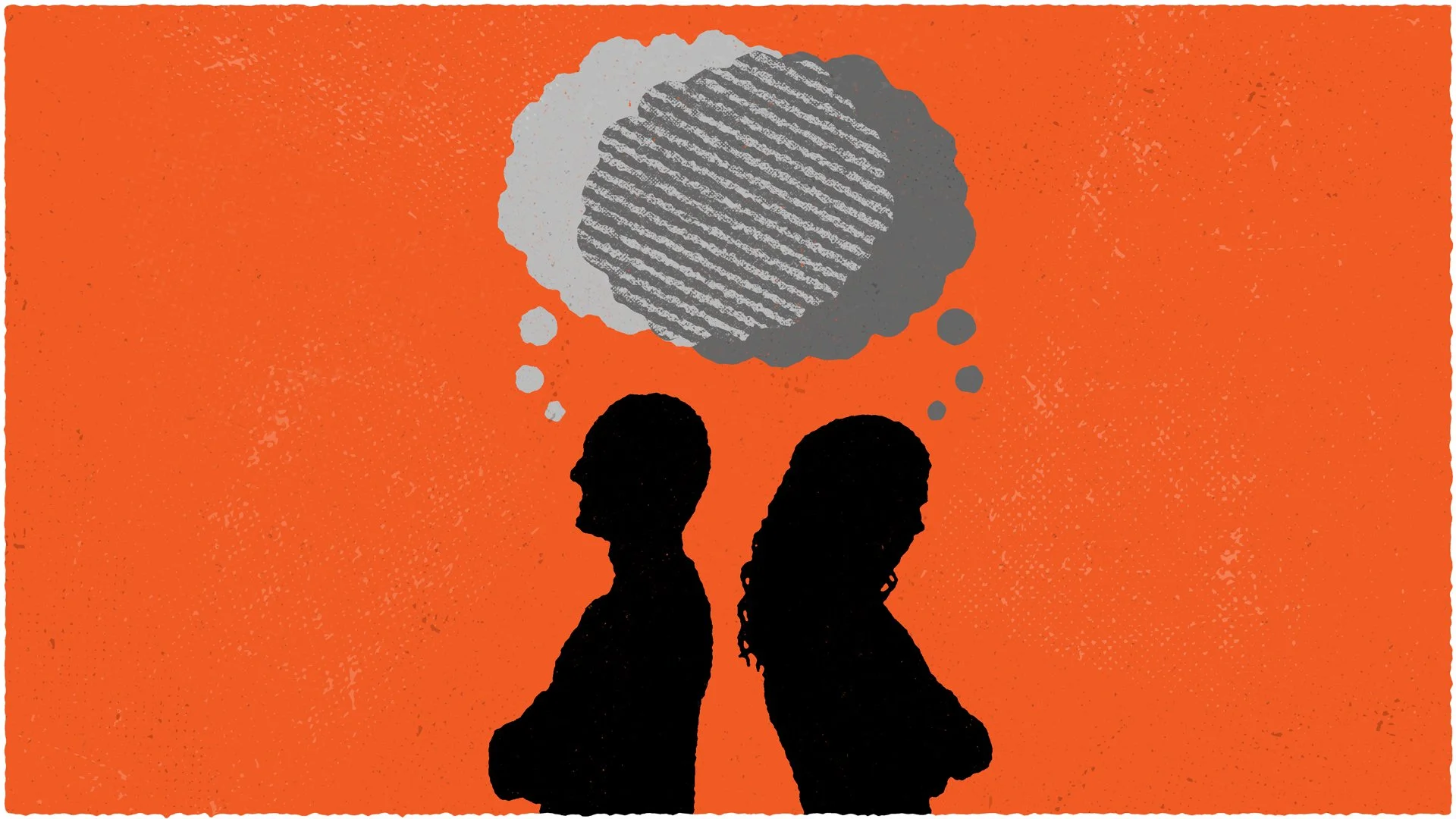
Behavioral scientists have long noted that we overestimate disagreement. The online arguments and news commentators aren’t reflective of most of us. Nevertheless, their visibility shapes our perception of a broader population. Exposed daily to conflict, outrage and disappointment, these things seem pervasive.
My recent focus groups showed me that people’s worldviews are nuanced, not bifurcated. The diversity of the groups has also been a demonstration of the Contact Hypothesis, which posits that meaningful interaction between different groups reduces prejudice and increases understanding. It’s just difficult to dislike someone after an hour’s worth of effort to understand them.
As people in the business of positive change, we are in a unique position. Every day, we bring together our communities, volunteers, donors, staff and beneficiaries who may disagree about many things. However, with our assistance, they routinely cooperate around a shared purpose. That’s no small accomplishment these days, and it also presents an opportunity for increased engagement, advocacy and stewardship.
Most of us think we know what our audiences believe. We’ve spent so much time around them, often over many years. Not unlike a seasoned school teacher, we can typecast and make assumptions that compound over time. Nonprofits and foundations are great about quantitative surveys, but they’re not always great listeners. There’s so much to be gained from actual conversations.
I’m struck by how much effort goes into cultivating new donors and grant makers. We are in a place to connect grantees and/or donors to beneficiaries or to staff. This is the stuff of doubling responses to a tired annual appeal or inspiring legacy giving. What if we used this as an opportunity to get people agreeing on desired outcomes, not debating solutions and root causes?
As an only child, I had a front-row seat to a world wider than my own. Thankfully, my current chair at the research table provides the same. It lets me see that we have much more in common than we think. We want to be heard. We want to belong. We want things to be better for the people we care about. All of this starts with conversations. I hope you’ll start some in the weeks ahead. And if you still have doubts about humanity, just ask someone about their grandchildren.
Yours in good,
Kevin
