
The Upside of Uncertainty

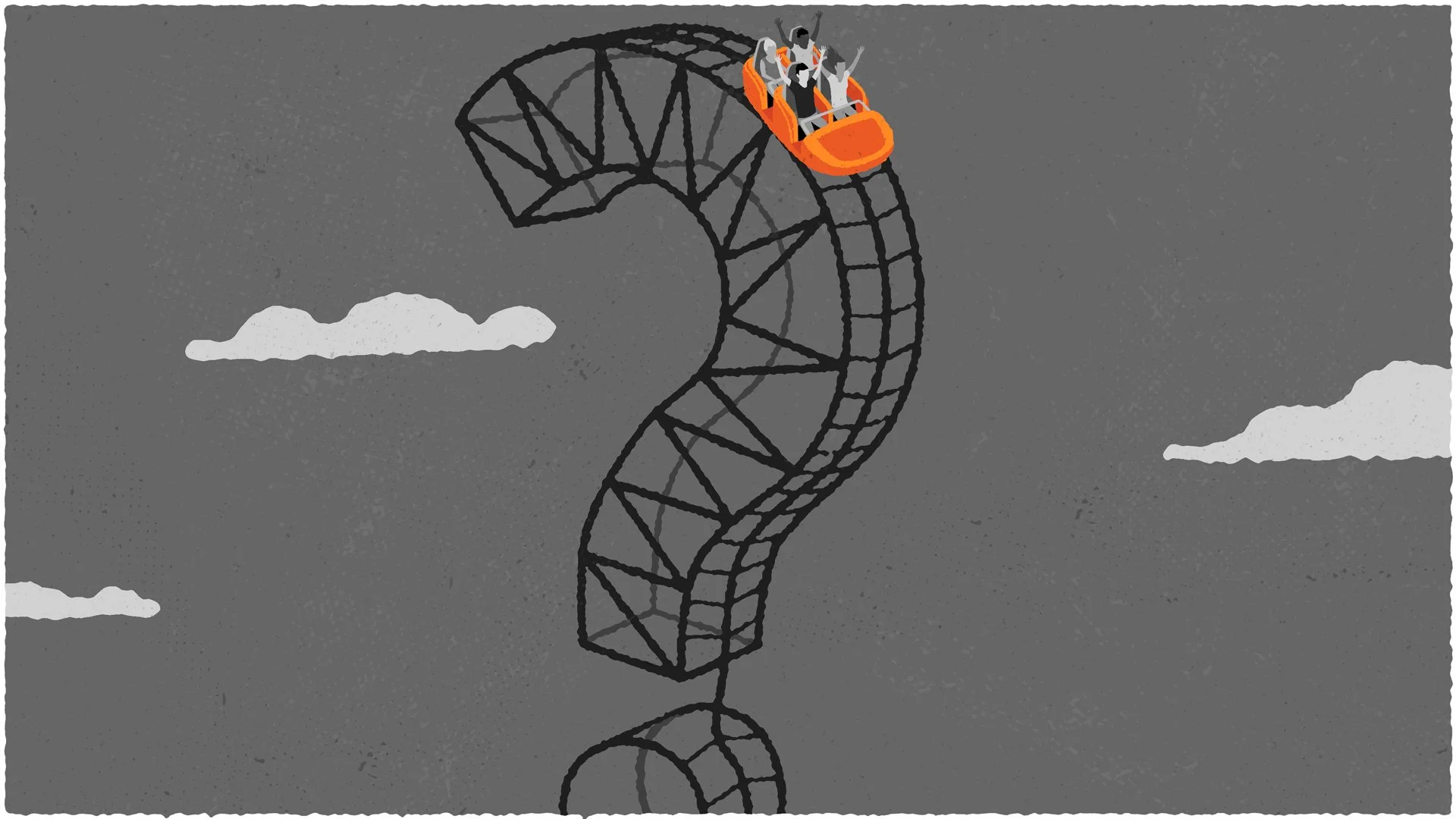
How nonprofits can adapt, rethink risk and build resilience.
Change has a pattern. First, a major disruption occurs. Next, people mistakenly believe “this time is different.” The disruption runs its course, and a new normal emerges. Then, the organizations that adapt most quickly succeed.
We’ve been living through disruption for more than a year now, and we’re currently approaching the “this time is different” phase. I believe we are wrong about that. Yes, we’ve been here before, but you have to look way back. Compared to the disruptions of the past 50 years, the present one will last much longer.
The upheaval will continue, and the new normal won’t be in sight for a long time. That can get demoralizing, particularly as we see the negative impacts reverberate through the causes, communities and people we champion. Nevertheless, our circumstances demand a new posture: Post-Traumatic Growth. Instead of leaning into the “new normal,” we must become experts at adapting to the current commotion. In doing so, it’s necessary to reexamine some fundamentals.
What we measure
I predict an acceleration of trust-based philanthropy because it fosters agility, resilience and speed. With this will come a welcome reduction in reporting and measurement. But that doesn’t mean you stop either; you need to reassess the metrics.
I’ve seen too many worthy organizations and initiatives fall victim to the McNamara Fallacy. Its namesake, Robert McNamara, attempted to quantify success in the Vietnam War by enemy combatant deaths, ignoring the importance of more difficult-to-measure variables like morale and willpower.
“We intend to measure what matters, but eventually, only what we can measure begins to matter.”
The game is changing, so it’s time to rethink how you keep score. Even if trust-based funding seems like a long shot for your organization, you still need to redefine success for your supporters and your team.
What we live with
Habits are dangerous. They dull our perception of counterproductive processes and behavior. You know what needs fixing. It could be a staffer that needs to move on, a tough-sell procedural change that improves service and delivery, or an office policy that wreaks havoc on your culture.
“The breakthrough you need is in the work you are avoiding.”
Make a list of persistent problems you’ve been living with, pick the three most damaging, and have some difficult conversations. I know it will be painful, but now is the time to work through a short shot of pain in favor of a much longer sense of relief.
Our appetite for risk
Last week, I had an interesting conversation with a foundation CEO for my interview series, The Science of Good. Among the many smart things he had to say was this: “I’ll be disappointed if we don’t look different in five years.” A week later, what still stands out to me about our talk is the importance of risk-taking. There’s no innovation without risk.
Yet we’re all wired to frame every move as an outsized success, and more dangerously, to downplay what doesn’t turn out so well. Upfront transparency about risk and candid reporting of outcomes, both good and bad, builds trust with funders, donors and internal teams.
Testing new approaches means risking failure. Yet failure reveals new solutions, many emerging from unintended consequences. We’ve all had big ideas over the years, the kind you think about on the ride home. But we’ve placed them aside in the spirit of steadiness, caution or prioritization. It’s time to dust off one of them and plan, pilot, or pitch it to a funder. As problems intensify, risk tolerance will escalate.
We’re all shaped by reflections from our past. The idiosyncrasies, insecurities and resilience that define us are derived from the times when we were the last kid to be picked for a team, or the embarrassing incident at the school dance. Our professional lives are no different. Difficult moments not only shape us, they also instill in us the empathy, compassion and drive to make a difference. Make the most of yours.
In solidarity,
Kevin
