
Reclaiming optimism
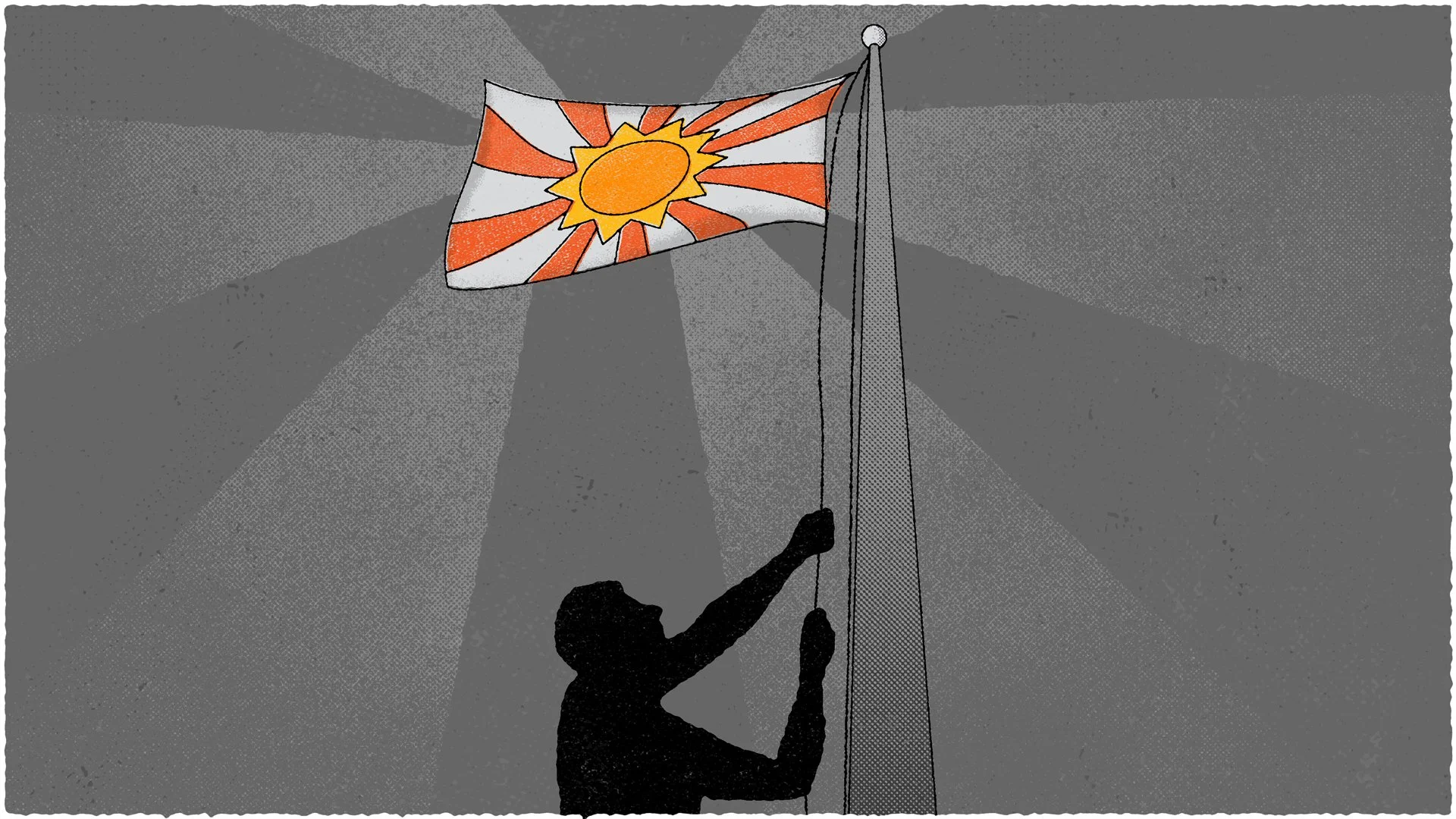
How repeated setbacks shape our thinking and what restores momentum.
We’ve lost something. Many think it’s certainty. Economists and institutional investors follow the World Uncertainty Index, and it’s now surpassed its 2008 record high. But I think, despite the headlines and earnings reports, what plagues us isn’t the loss of certainty. There’s never been any, because life can change in an instant. What we’ve lost is optimism.
When one thing after another seems to go wrong, our mindset shifts, leading to a contagion of negativity. My colleagues and I call this the can’t, won’t, don’t effect.
I’d argue that moving past the can’t, won’t, don’t effect is essential to moving beyond an environment that has been punishing for all of us. To do that, we need to know what’s going on in our heads.
After repeated disappointments, we stop trying new approaches, delay decisions and lower expectations. Reduced efforts lead to reduced results, causing us to believe future efforts are in vain. Adding to this is a tendency to interpret losses as permanent. As a result, we invest less in change, making our strategies defensive rather than aspirational.
How to counteract these natural but counterproductive biases.
First, we need to believe that our actions can influence outcomes. The easiest way for that to happen is to step away from the tendency to conjure large-scale goals and objectives. Set an agenda that includes small visible wins that can restore your team’s confidence.
Next comes a clear articulation of what is and isn’t within your organization’s control. Focus on the latter, because agency increases when what’s controllable becomes tangible. Then, acknowledge that the current situation is not permanent. (Good or bad, it never is.) It’s about language like “this funding cycle” or “recent donor behavior.” Our brains respond differently to temporary threats than to permanent ones. Our thinking needs to move from “this feels like a new normal” to “This is how it is right now.”
The good news is that our lack of optimism appears to be near-term.
A new survey of 400 nonprofit and foundation presidents, CEOs and senior leaders by Mission Partners and the Chronicle of Philanthropy found that 97 percent of nonprofits and 87 percent of foundations believe their environment is becoming more challenging. Thirty-six percent said they were somewhat or very concerned that their organizations would either be diminished or may not exist over the next five years. Contradicting that pessimism, 75 percent felt that they would be well-positioned five years from now. So, there’s room for hope and belief in positive transformation. The data tells us pessimism may not be permanent. But for optimism to return, we need to see action and evidence of evolution.
Can’t don’t won’t: a personal example.
27 years ago, my firm was facing a deluge of pro bono or low bono requests from local nonprofits. We wanted to say yes to all of them, but that wasn’t a business reality. Admittedly not an existential crisis, but turning them down felt awful. It just wasn’t in our firm’s DNA to walk away from causes we believed in. That’s when my business partner had the idea for a 24-hour pro bono marathon.
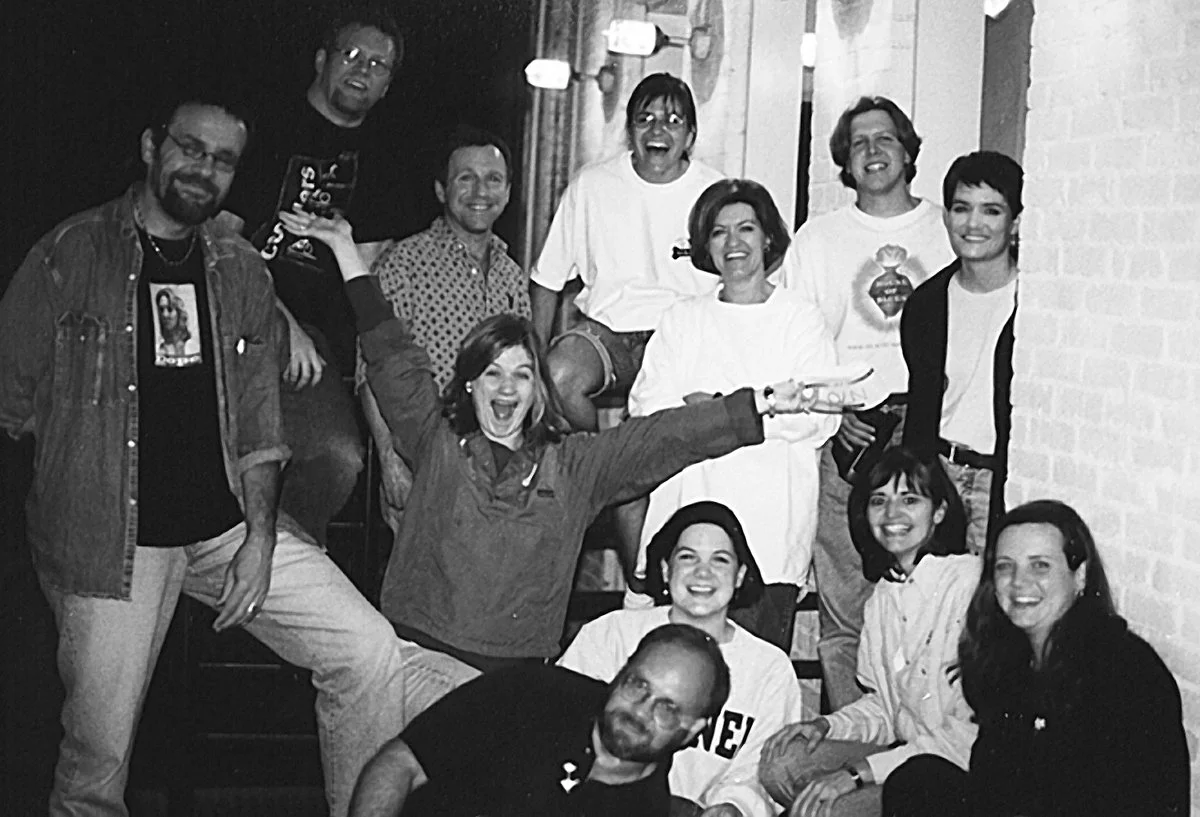
There was no shortage of reasons why the concept was too outlandish, unwieldy, and just plain wouldn’t work. “We can’t” would have been a valid answer. Instead, the firm said yes. It’s been the most impactful business decision we ever made.
It’s led to the completion of more than 3,800 projects by us and more than 100 partner organizations valued at $30+ million. That became the foundational work that inspired us to form For Goodness Sakes. And the time restraints we feared might compromise our work actually did the opposite. Some of our finest moments and best thinking have come from this annual event.
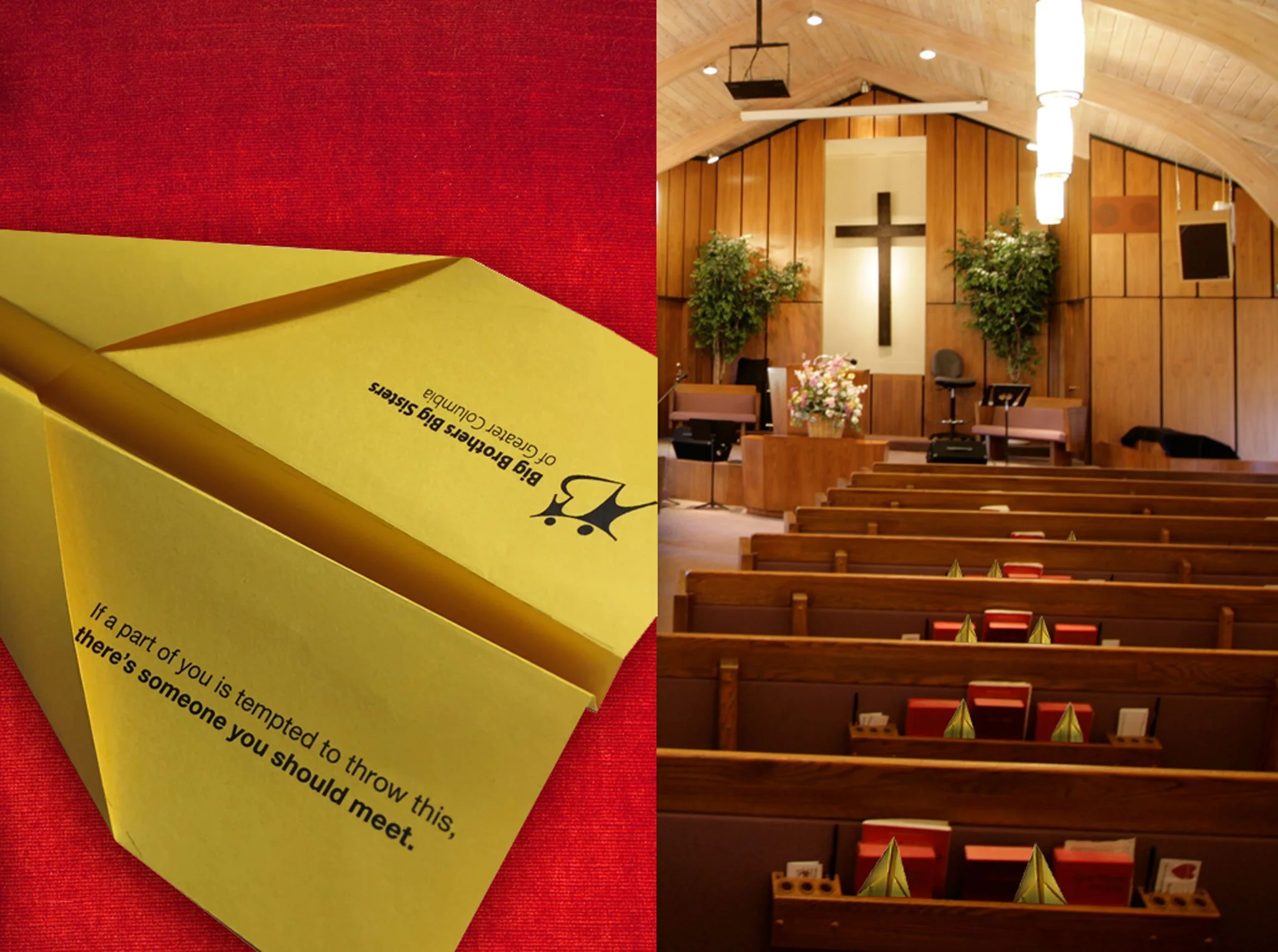
Big Brothers Big Sisters
How to convince more men they’d be great big brothers? Remind them they’re still little brothers at heart. The faith community was an important target. But getting noticed amidst all the other volunteer requests that come into a church demanded something different.
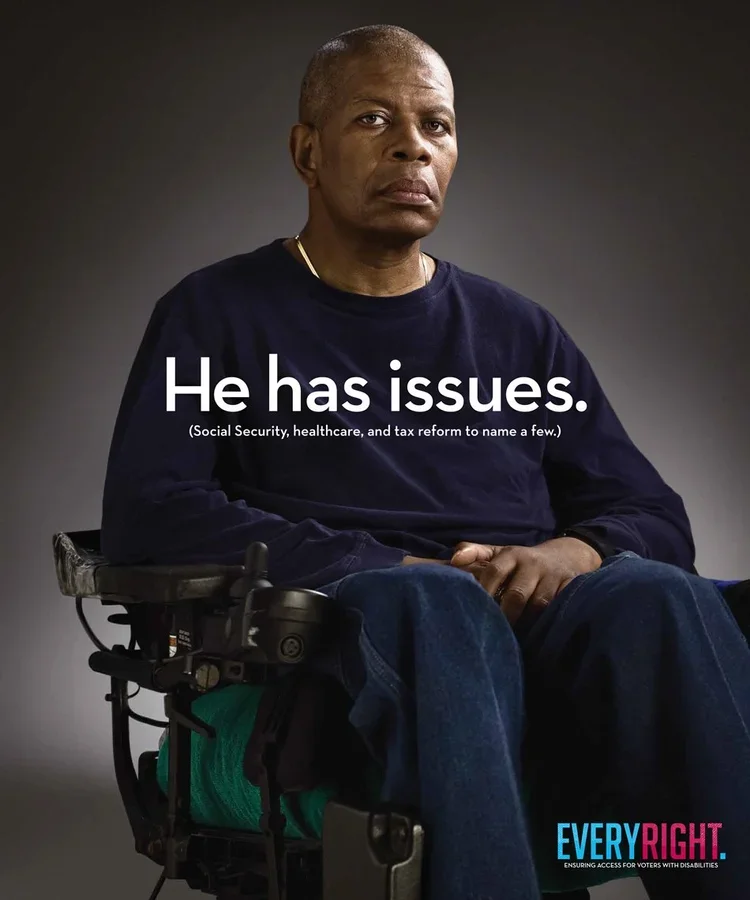
Every Right
This campaign challenges misperceptions and combats voter suppression, ensuring access for voters with disabilities.
You wouldn’t be in your job without believing that things can get better. Only now that belief applies not just to the people you are serving, but to your own organization as well.
Forward,
Kevin
