
Leading when change is unwelcome.

Understanding resistance and guiding people through transition.
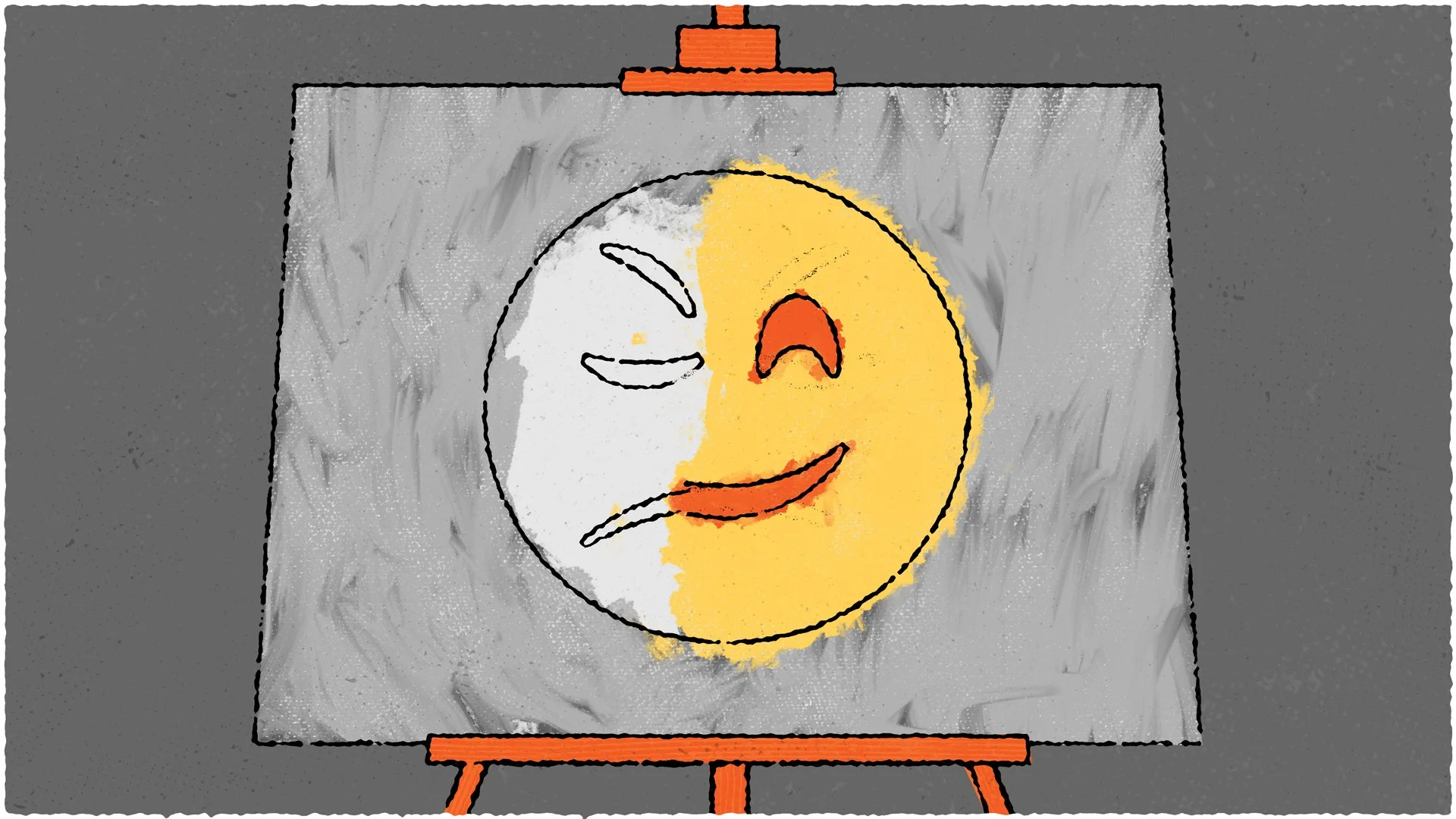
What do you remember most about the Great Recession? For me, the first thing that comes to mind is painting. It’s impossible to worry and paint at the same time, and that’s what got me through the financial crisis.
That crisis brought huge changes along with it, and some were horrible. In other ways, it provided a reset. In my case, painting became essential, so much so that I eventually rented a studio I shared with six friends. It’s continued to be my haven from all manner of storms, including the recent ones facing the nonprofit community I serve.
Yet even havens aren’t immune from storms. Our studio building was sold, and the new lease terms were so egregious that we had to move. Change is relentless. And we generally fight and struggle against it. My group was no exception.
I understand that the travails of seven artists are trivial compared to the existential threats facing many organizations. But the less dire circumstances allow us an easier look at how we face change, and how we might better cope with it. Here are three stops on a journey that was far more painful than it should have been.
1 |
Others felt they could save the day.
I spoke with the landlord several times over four
or five months, relaying his answers to questions
and lease terms to the group. No one was happy with
his responses, but three of us thought they would
get different answers if they asked the same questions
instead of me. That wasn’t the case. And meeting six
times to discuss individual appeals was not going to
change the outcome.
|
2 |
Nothing else would do.
Everyone wanted to stay. I listened to countless affirmations
about how much each person “loved where we are now.” My
response was the same every time: “I do too.” Loving the way
things were wasn’t going to alter the fact that change was
coming, or that it had a deadline.
|
3 |
Some were unwilling to consider options.
We looked at many spaces, both together and individually. The
parameters were compromise-free: same neighborhood, same square
footage, ground floor, no stairs, high visibility. No one would
bend. In the end, we found a unicorn that fit the confines. But
it wasn’t the same. Some wouldn’t even go see it, ultimately
opting to have no space at all rather than make a change.
|
Three out of the seven, including me, moved to a new space just before Thanksgiving. At the time, I was just thankful it was over. The new space is closer to my house. Parking is easier. It’s less expensive. Occasionally, the change we resist leads to something better. Of course, it’s easier to see this in hindsight.
Change reveals how we process uncertainty, loss and possibility. This isn’t new to nonprofit leaders. You’ve navigated shifts in strategy, evolving missions and funding pressures. But forced evolution is especially intense right now. Perhaps by thinking about what’s happening beneath the surface, we can better lead in pivot moments.
Dr. Karl Pillemer, a gerontologist at Cornell University, studied people over 80, asking them what advice they would give to their younger selves. The top answer was to worry less. Respondents cited that half of the things you worry about won’t happen, and those that do aren’t within your control. I have paintings on my walls at work and at home painted during the Great Recession. Moving forward, I’m going to see them as a reminder to worry less.
Looking ahead,
Kevin
