
What donors remember.

Three science-driven ways of creating lasting connections.
It was miserably hot. I was walking downtown with a coworker, almost to Union Square, when it suddenly got quiet. It had only been two years since 9/11, so my thoughts turned to terrorism. Then came the radios. Taxis turned theirs up and opened their windows and doors so pedestrians could lean in and listen. It was New York City’s 2003 blackout, and all I wanted was to get back to my apartment where things felt safe.
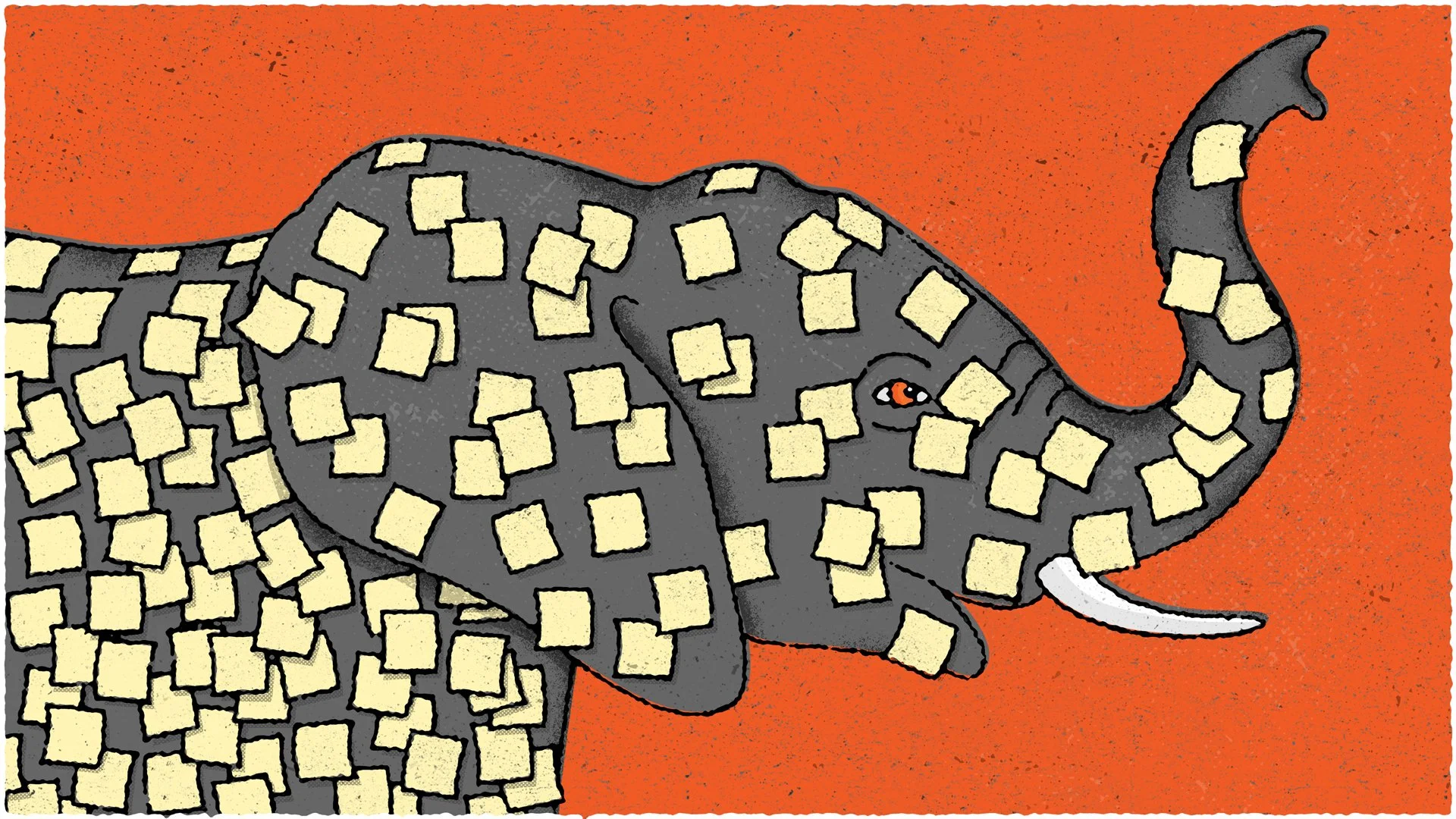
All these years later, my memories of that afternoon remain vivid. Psychologists call these flashbulb memories, moments where we remember not only what happened, but also how we felt. I’m also a bit of an elephant about art exhibits, concerts, road trips and restaurants. These memories aren’t tied to crises, but they are equally sharp. They stick because of context. Who I was with. The weather. The conversation.
Most of us won’t remember 2025 fondly, at least as it pertains to our work. I’ve watched countless fundraising campaigns launch this year. Meanwhile, there has been record turnover among development officers. The need to nurture donor relationships has never been greater, making memorable interactions essential. If your fundraising efforts are feeling like hindsight in the making, here are a few things to keep in mind as you look ahead to next year.
1 |
Start by determining how things will end.
People don’t remember experiences evenly. Behavioral scientists call this the peak-end rule. We tend
to remember the emotional high point of an experience and how it ends, not everything in between.
|
2 |
Anchor experiences with sensory and contextual cues.
Many lasting memories are tied to small details. They are often centered in a place, a sound or an object. These cues
help the brain retrieve the memory later. This is known as context-dependent memory. The more cues you provide,
the easier it is for the donor to recall not just your organization, but their emotional connection to it.
|
3 |
Make the donor part of the story.
One of the strongest memory effects in behavioral science is the self-referential effect. We
remember information better when it relates directly to us. When donors feel known, the relationship
moves beyond giving. It becomes identity.
|
Thinking about the blackout, I’m struck by what a unifying moment it was. Typically surly taxicab drivers waving people closer, their radios suddenly becoming our only conduit of information. My corner deli let me run a tab because there were no working ATMs. Memory is not just a byproduct of experience. It’s a signal of meaning.
What endures are the moments that make people feel connected to something larger than themselves. Donor relationships survive on how an organization shows up, how it listens and how it makes people feel. If nonprofits can be intentional about creating those moments, they can build relationships that outlast job titles, staffing changes and difficult seasons like the one we’re in now. It’s not just good fundraising, it’s good stewardship.
Here’s to what remains,
Kevin
