
The trouble with looking back

Are you making change harder than it has to be?
Back-to-school is all around me. I live adjacent to a giant state university, and the move-ins have begun. That means a different route to work, steering clear of Target and knowing there’s no hope for a dinner reservation until the parents head back home. Meanwhile, four of my coworkers are dropping freshmen off at various colleges with a mix of pride and sadness. This all has me thinking back on my own freshman year.
On the six-hour drive to Virginia, my parents were solemn. But I thought I was more than ready. I couldn’t wait to get there, unload the station wagon and be done with the long goodbye that had been playing out since high school graduation. Turns out, life in limbo was just beginning.
I’ve been getting these same freshman year vibes when I talk with foundations and nonprofits lately. Many are still working through significant changes, still in the awkward in-between of what was and what will be.
I see leaders fighting hard to maintain an admirable status quo. Sometimes, the more personal your work is, the more successful your outcomes have been, the more difficult a new reality is to swallow.
High school set me up for a similar reckoning. I had tight friends with great parents who just wanted us to have a wonderful time. We did well in school and sports and thought we were mature beyond our years. In some ways, maybe we were. But I wasn’t wise enough to heed the truism about comparison being the thief of joy. And it’s something I’d spend that first year of college learning all too well.
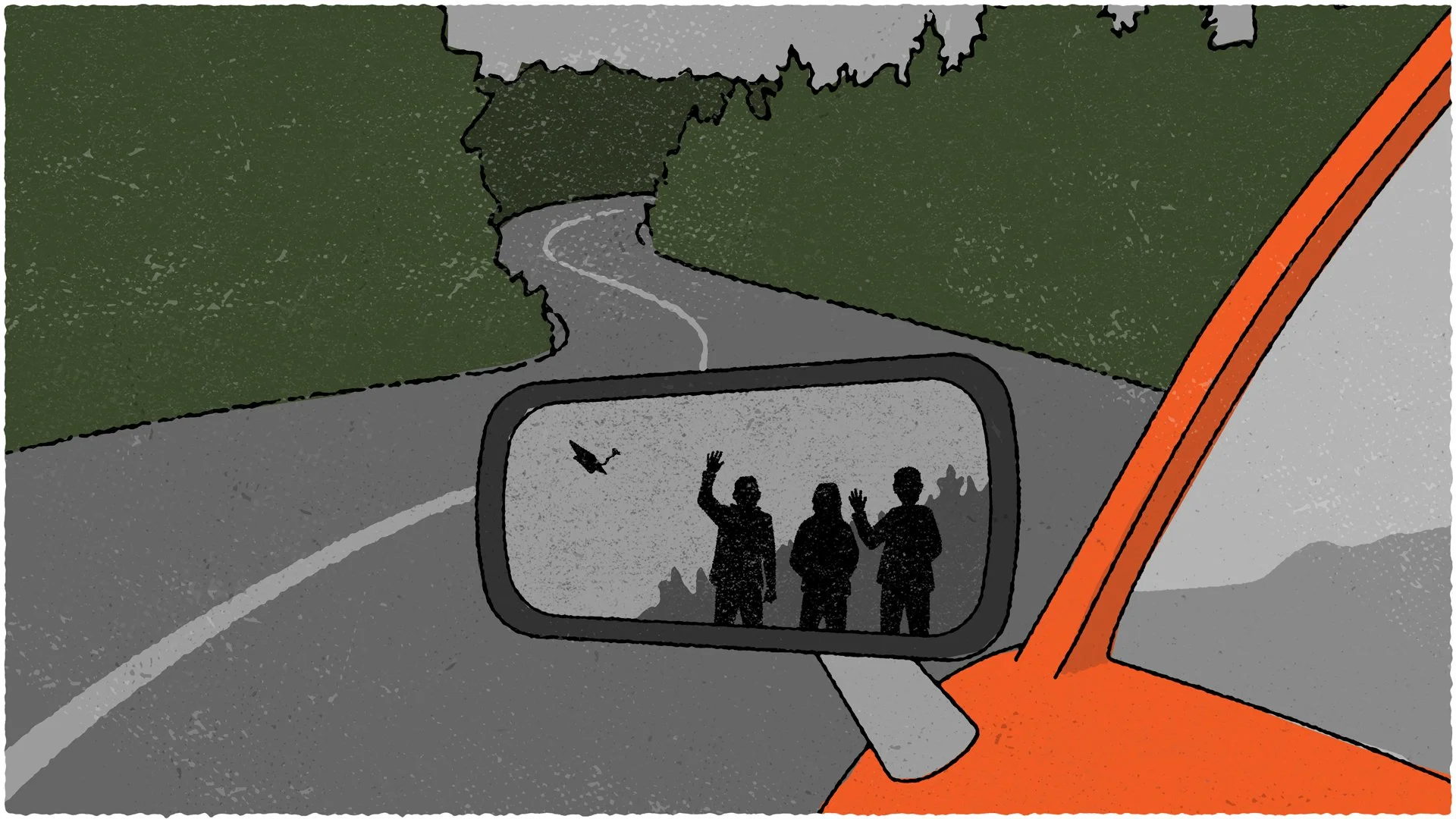
There, my new friends weren’t as close as my old ones. Freshman weekends didn’t match the memory of senior ones. So instead of forging ahead on a new path, I kept trying to retrace old ones — hitting the road at every opportunity to reminisce with high school pals in their new surrounds. Looking back, I lost an entire year wishing for one that had already passed.
Behavioral scientists refer to this as rosy retrospection. We don’t compare the present with the past that actually was, but with a selectively edited version of it. We disproportionately prefer what was familiar, even when circumstances have made maintaining it detrimental. The truth is, neither the past nor the future is perfect. Here again, previous success can make change harder. The better old models served us, the more justified we feel in trying to preserve them.
Of course, my reality wasn’t that college was bad. It’s that I was too slow in giving it the opportunity to be great. Organizations navigating change often make the same mistake. So, if any of this rings true to you, here are three charges to help you through a liminal season:
1 |
Stop pitting your new reality against the old one.Instead of questioning, “How do we get back to where we were?” ask, “What do today's circumstances require?” |
2 |
Acknowledge the loss.You don't overcome loss aversion by pretending nothing valuable has gone away. Perhaps some things really were better. Celebrate them. Then honor the past instead of trying to recreate it. |
3 |
Give the new reality time to accumulate evidence.New experiences need time to generate relationships, successes, routines and memories. Organizational transitions do too. |
Eventually, my new friends became as close as my old ones. In part, because I finally stopped comparing everything to what had come before. Is it time for your organization to do the same? Sometimes we just need to give sophomore year a chance.
Onward,
Kevin
